Optimal Timing for Pool Cage Screen Repairs
Pool cage screen repairs are most effective when performed during periods of low usage and mild weather conditions. Timing these repairs appropriately can extend the lifespan of the screens and minimize disruptions to outdoor activities. Typically, late spring and early fall are optimal times, as they often feature moderate temperatures and less frequent use.
Performing repairs in spring prepares the pool area for summer use, ensuring screens are intact before peak season.
Late fall or winter can be ideal for repairs to avoid busy outdoor periods, especially in regions with mild winters.
Immediately after storms or high winds, inspecting and repairing screens prevents further damage and maintains enclosure integrity.
Choosing a time with stable, dry weather reduces delays and ensures quality workmanship during repairs.
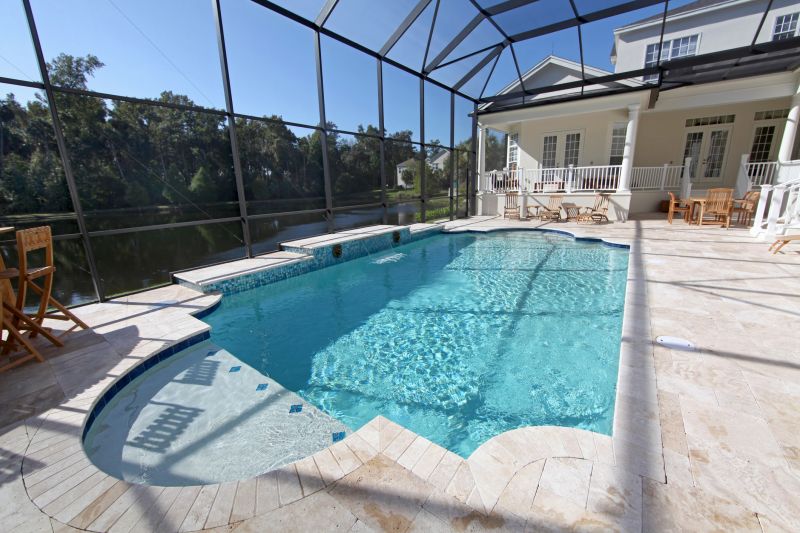
A torn screen panel needing replacement.
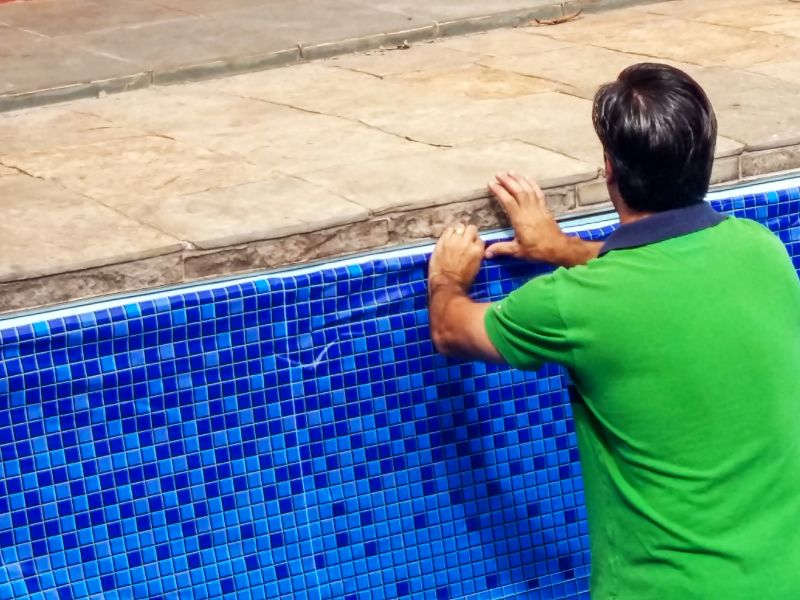
Technician repairing a pool cage screen.
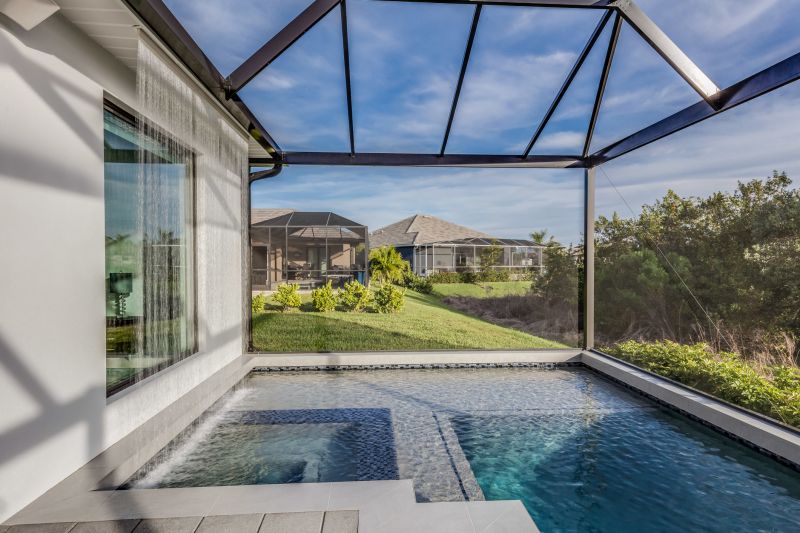
Completed installation of a new screen panel.
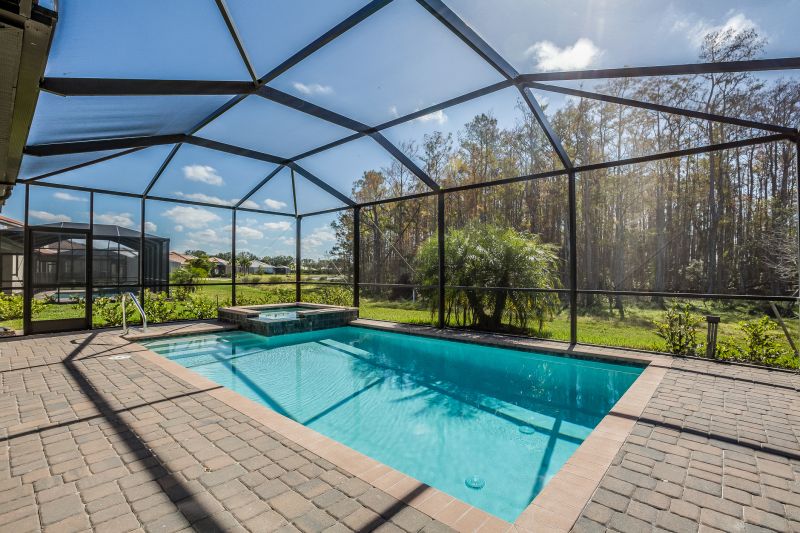
Ways to make Pool Cage Screen Repairs work in tight or awkward layouts.
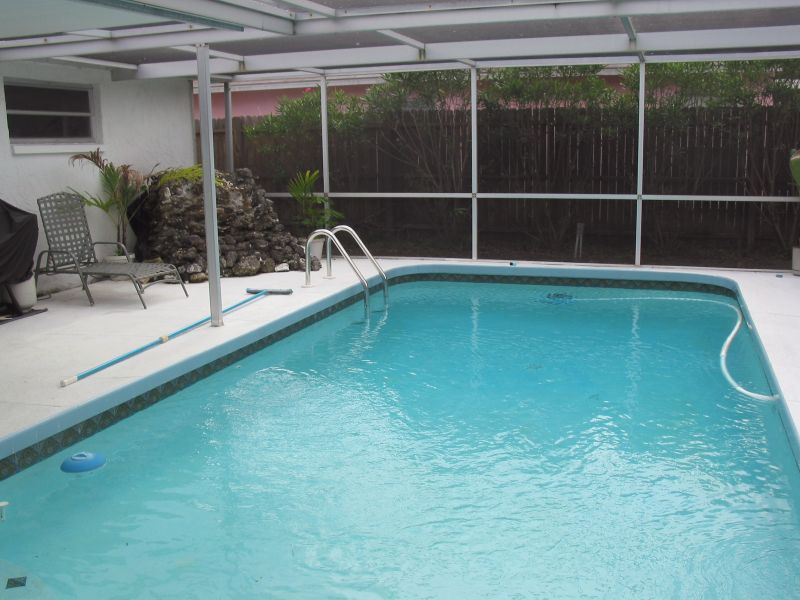
Popular materials for Pool Cage Screen Repairs and why they hold up over time.
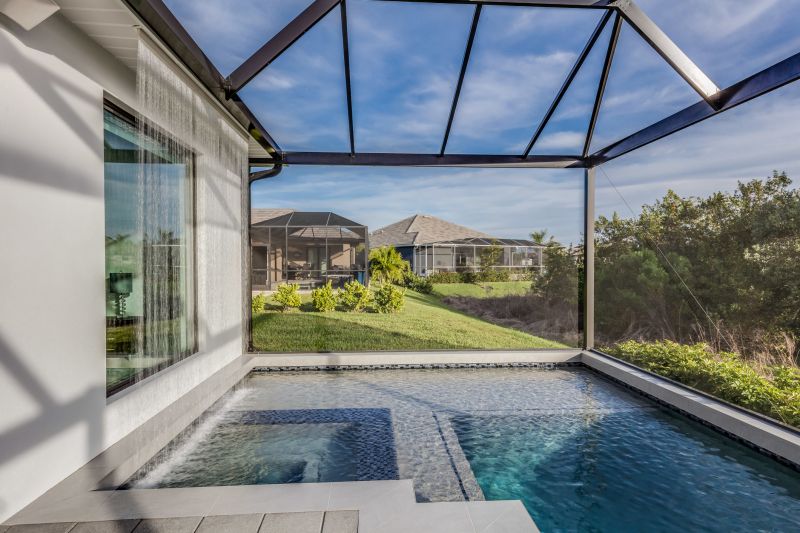
Simple add-ons that improve Pool Cage Screen Repairs without blowing the budget.
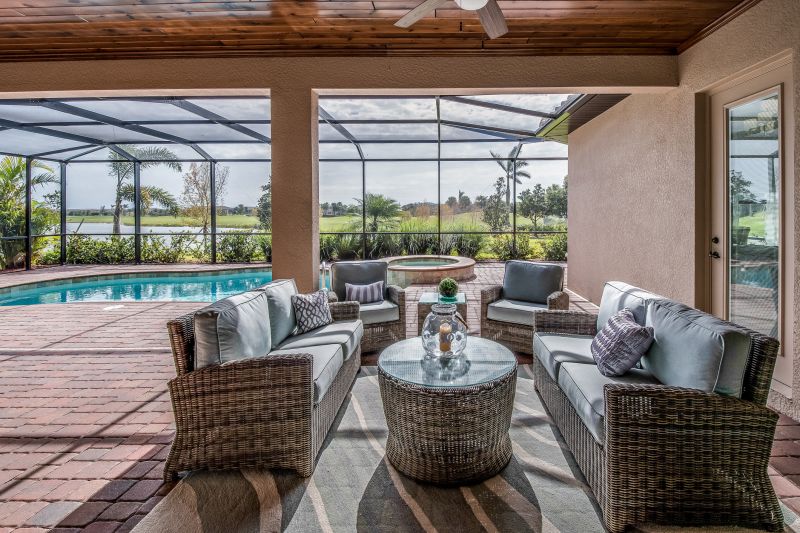
High-end options that actually feel worth it for Pool Cage Screen Repairs.
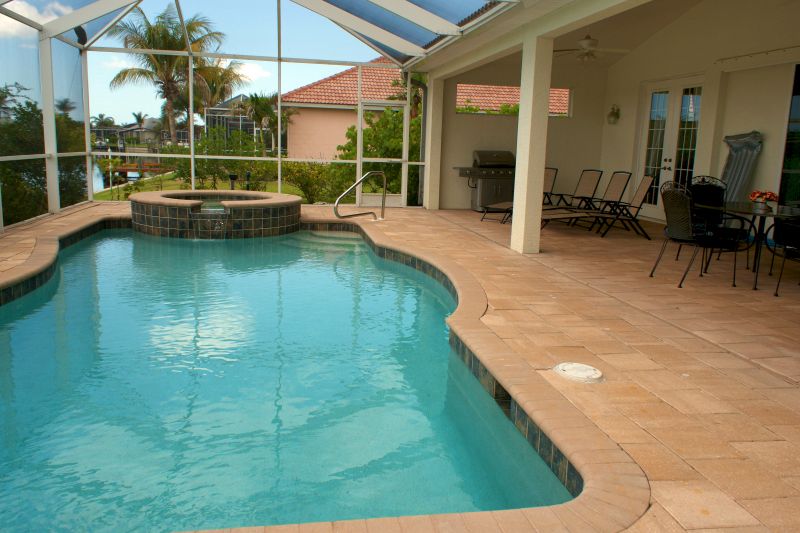
Finishes and colors that play nicely with Pool Cage Screen Repairs.
Pool cage screen repairs are essential for maintaining the safety and functionality of outdoor pool enclosures. Damaged screens can lead to debris entering the pool area, pests, and reduced privacy. Regular maintenance ensures the enclosure remains secure, visually appealing, and functional. The durability of screen materials varies, with aluminum frames lasting longer and screens made from polyester or fiberglass offering different levels of resistance to wear and tear.
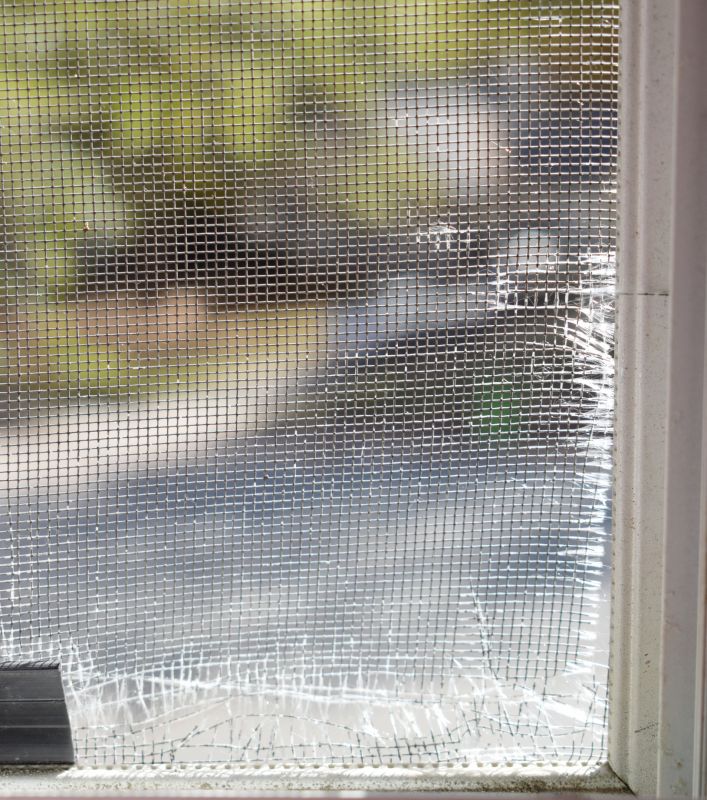
Frayed or torn screen mesh.
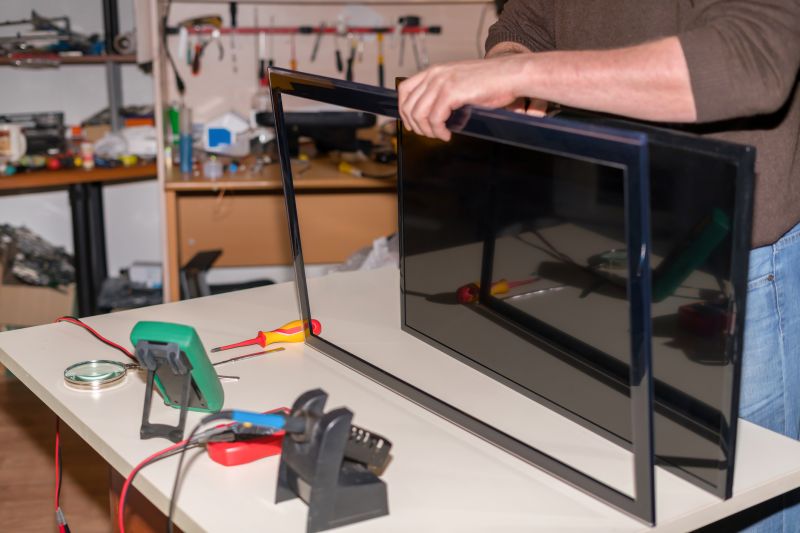
Equipment used for screen patching and replacement.
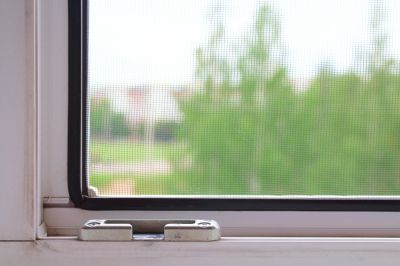
A fully repaired and secure screen panel.
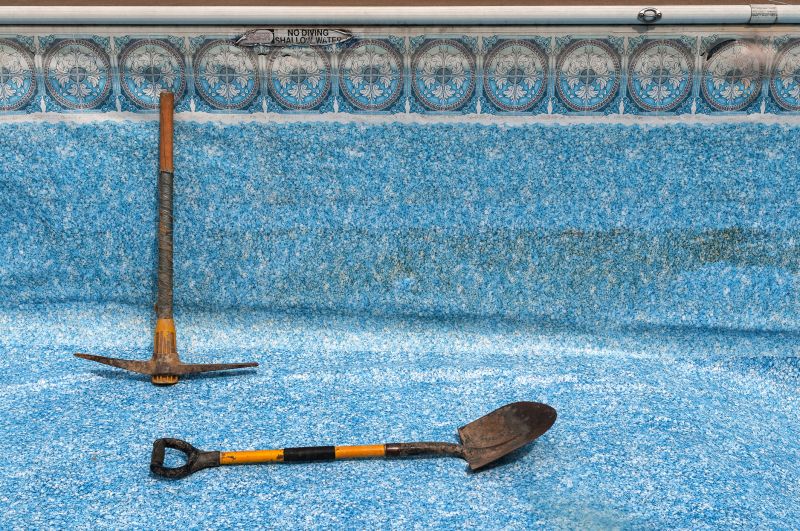
Tools used for routine inspection and minor repairs.
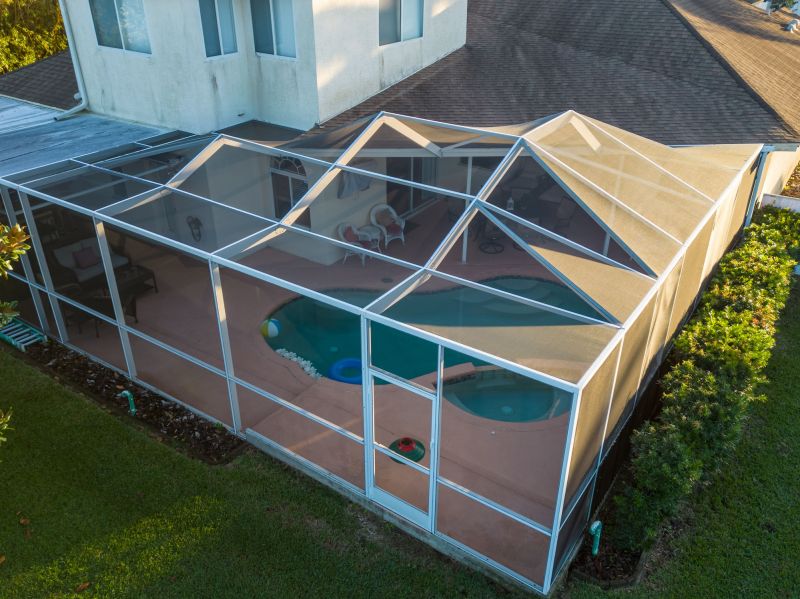
Little measurements that prevent headaches on Pool Cage Screen Repairs day.
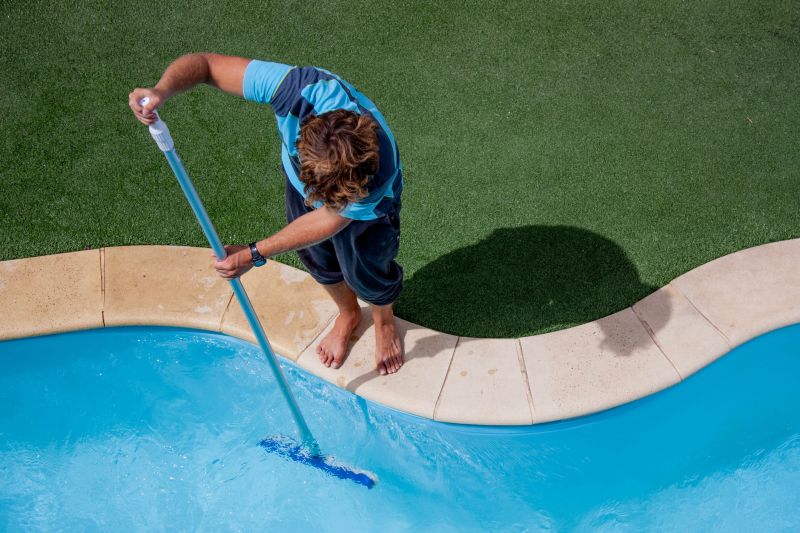
A 60-second routine that keeps Pool Cage Screen Repairs looking new.
A frequent mistake in Pool Cage Screen Repairs and how to dodge it.
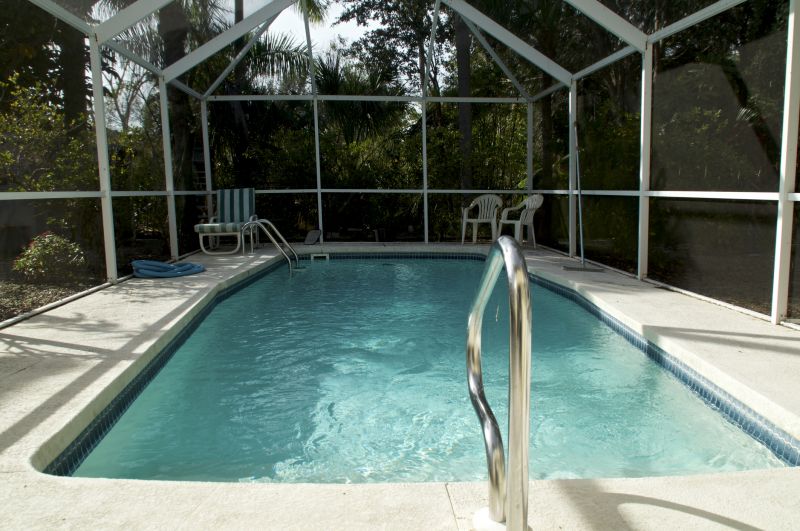
Small tweaks to make Pool Cage Screen Repairs safer and easier to use.
| Optimal Repair Timing | Key Considerations |
|---|---|
| Spring | Prepares for summer; moderate weather |
| Late Fall | Avoid peak outdoor use; mild temperatures |
| Post-Storm | Immediately address damage from weather events |
| Off-Peak Seasons | Less busy periods for scheduling |
| Dry Weather Days | Ensures quality repairs without delays |
| Routine Inspection | Early detection prevents extensive damage |
Timely pool cage screen repairs help prevent further damage and extend the lifespan of the enclosure. Regular inspections and prompt attention to damages can reduce long-term costs and maintain the aesthetic appeal of the pool area. Planning repairs during suitable seasons ensures minimal disruption and optimal working conditions for contractors.
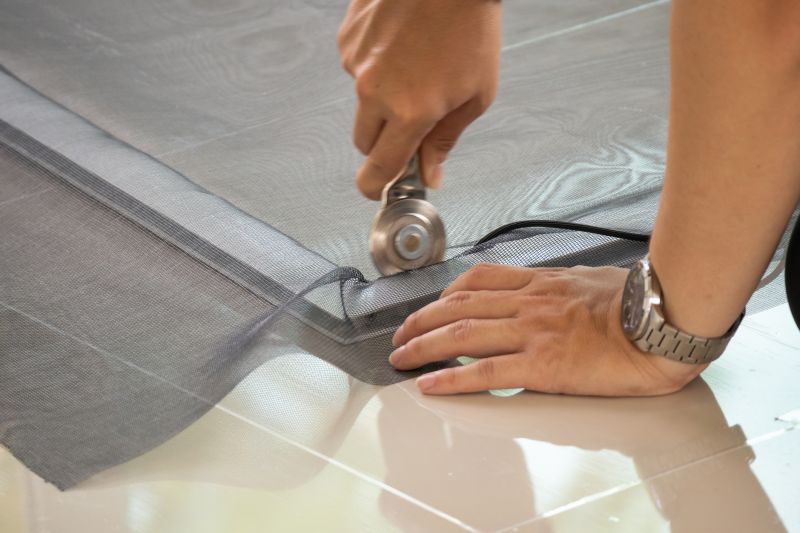
Specialized tools for patching and replacing screens.
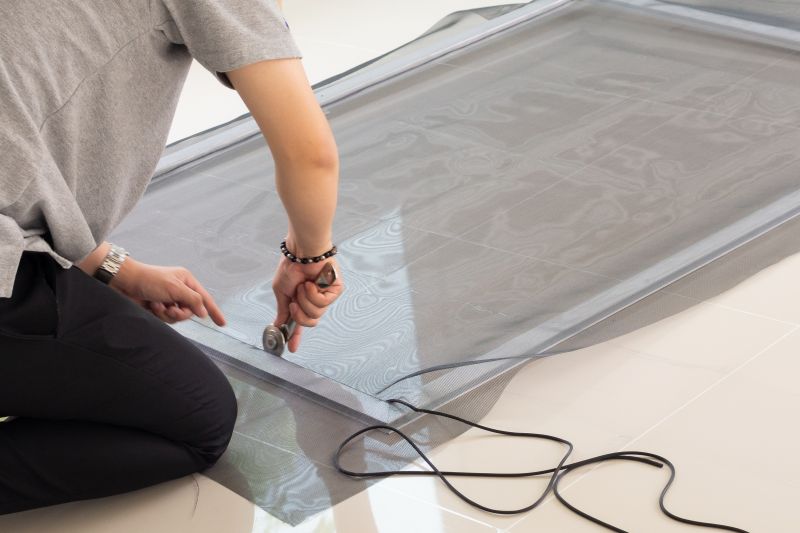
A finished screen panel ready for use.
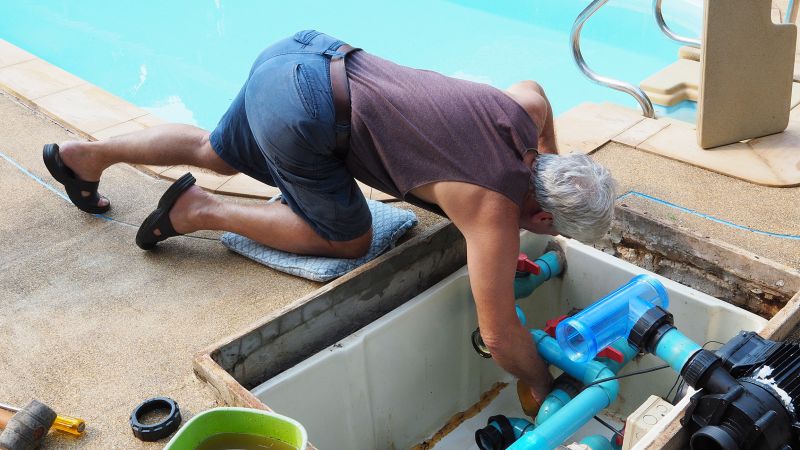
Technician inspecting the enclosure for damages.
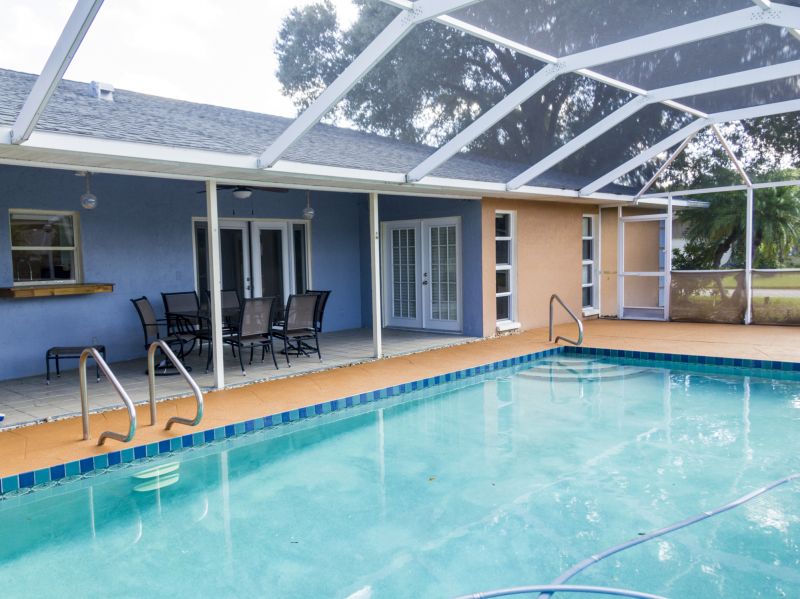
Lower-waste or water-saving choices for Pool Cage Screen Repairs.
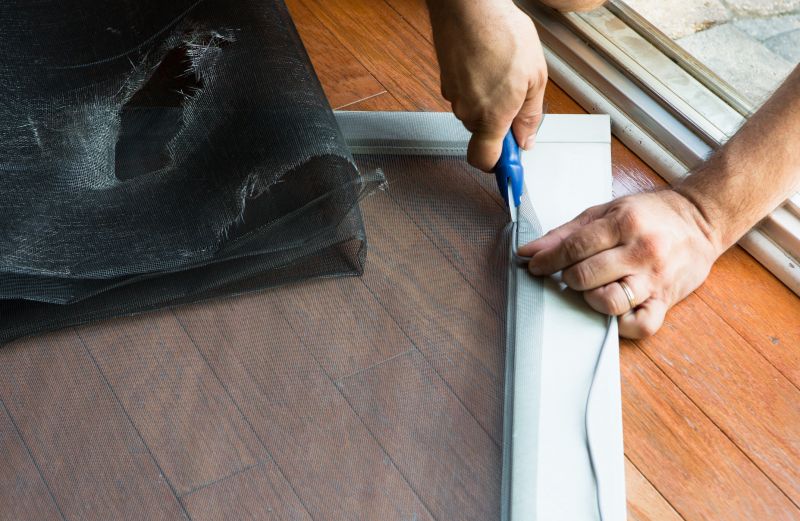
The short, realistic tool list for quality Pool Cage Screen Repairs.
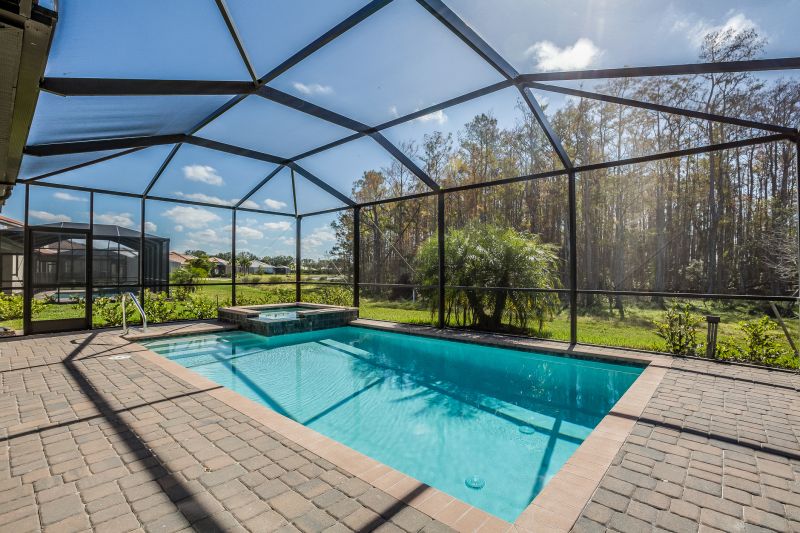
Rough timing from prep to clean-up for Pool Cage Screen Repairs.
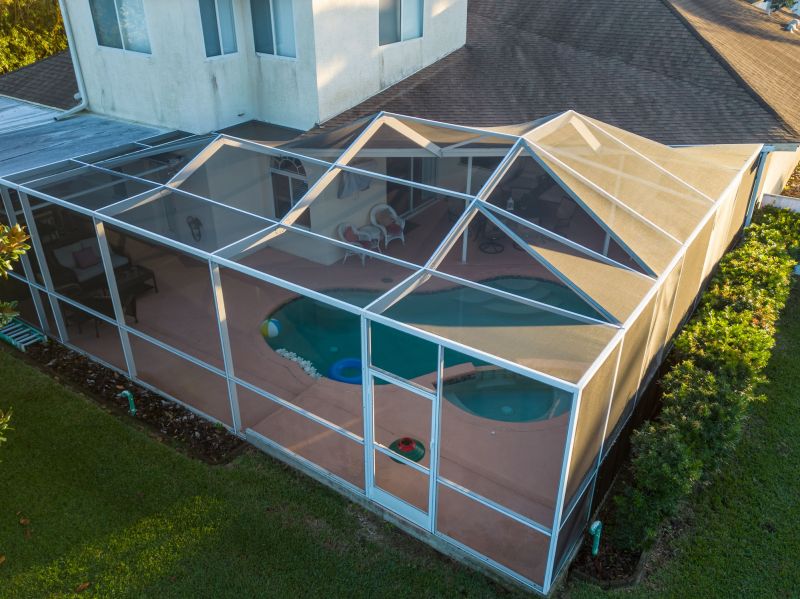
Quick checks and paperwork to keep after Pool Cage Screen Repairs.
Examples that show the impact a good Pool Cage Screen Repairs can make.
Interested in maintaining or repairing a pool cage screen? Filling out the contact form can provide more information and help schedule repairs at a convenient time. Proper timing and regular maintenance are key to ensuring the enclosure remains durable and functional.